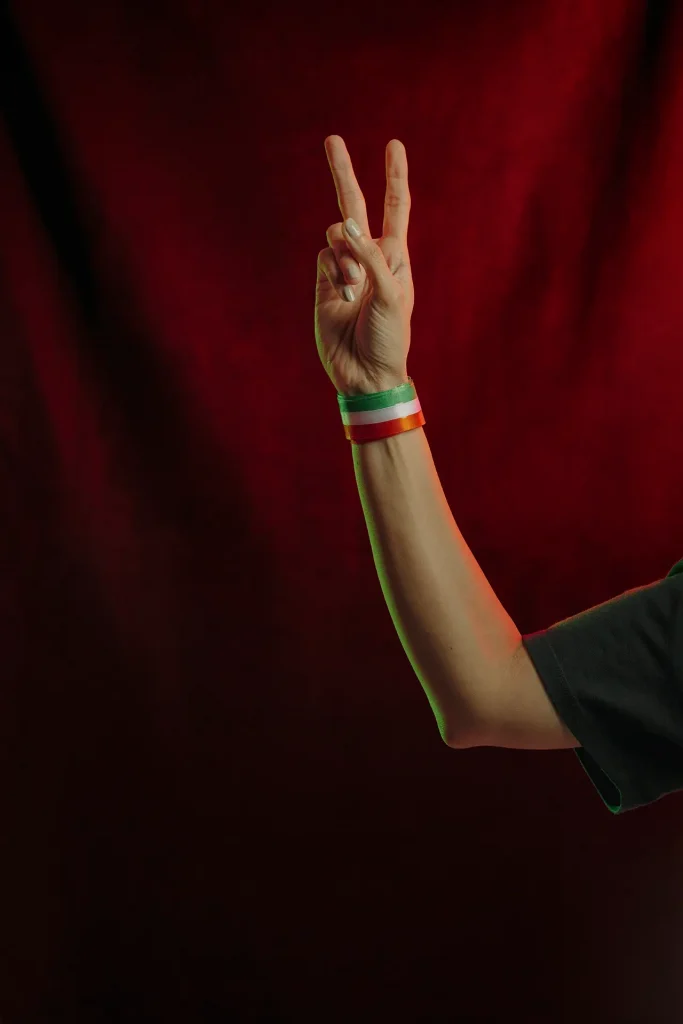
Woman Life Freedom
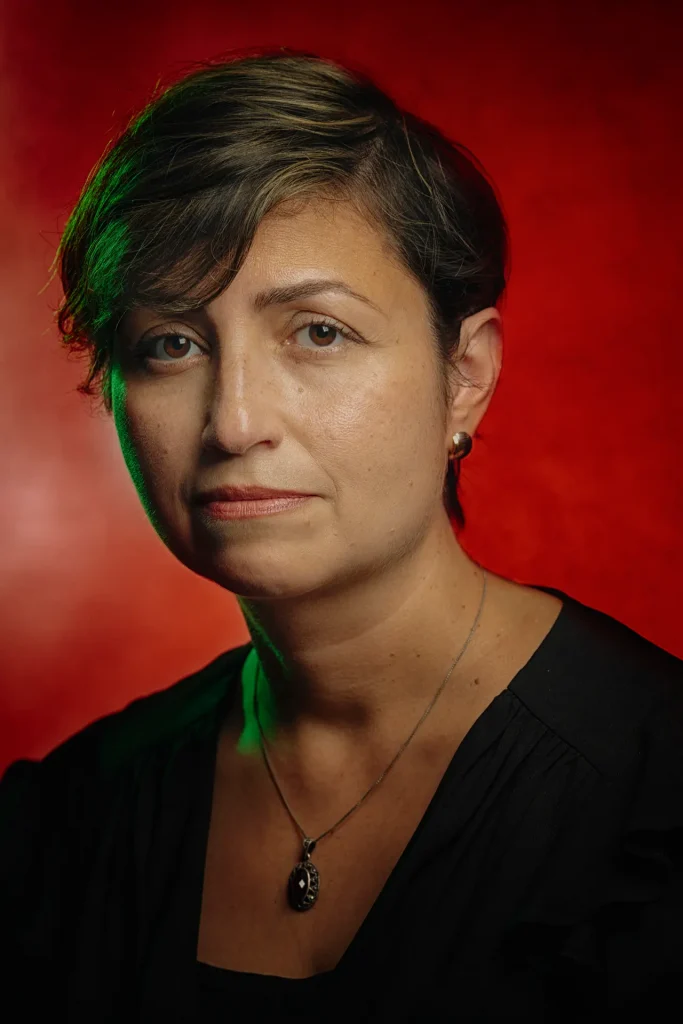
This is Aida, a Chartered Accountant, a women’s rights activist, and one of the founders of the Iranian Solidarity Group in Wellington. To me, she is an icon of strength who has devoted herself to giving a voice to Iranian women. When I approached Aida to take her portrait, I asked her why she puts so much effort into supporting the protests in Iran:
“I came to New Zealand as an international student and subsequently immigrated here, but in fact I am not an ordinary immigrant! I fled the oppressive regime of Iran, running away from Gender Apartheid. I know what many Iranian women have been going through. Back in Iran, I had two personalities: one for myself, home and family and one for the government and the society outside home. It was exhausting to alternate between the two worlds all the time. I felt like losing myself. When I came to Aotearoa New Zealand, I realised that I can be my true self again and it felt extremely liberating. Being an Iranian woman in Iran was associated with strength but at the same time with fear. Fear of the government watching your every move, fear of being arrested and being punished for not following the strict clothing rules for women, fear of being caught with a male friend. I constantly felt oppressed and judged, felt like an object in the hands of others. I so longed to break free and be let to just be me, I longed for a life of dignity and equality. This is why I am so proud of the Iranian women continuing to remove their headscarves as a way of resistance despite all the brutal crackdowns. I have hope for the future. That is why I take a stand for this women-led revolution, and I do whatever I can to support the Iranian women to break free of the chains using the freedom to be myself here”. Aida
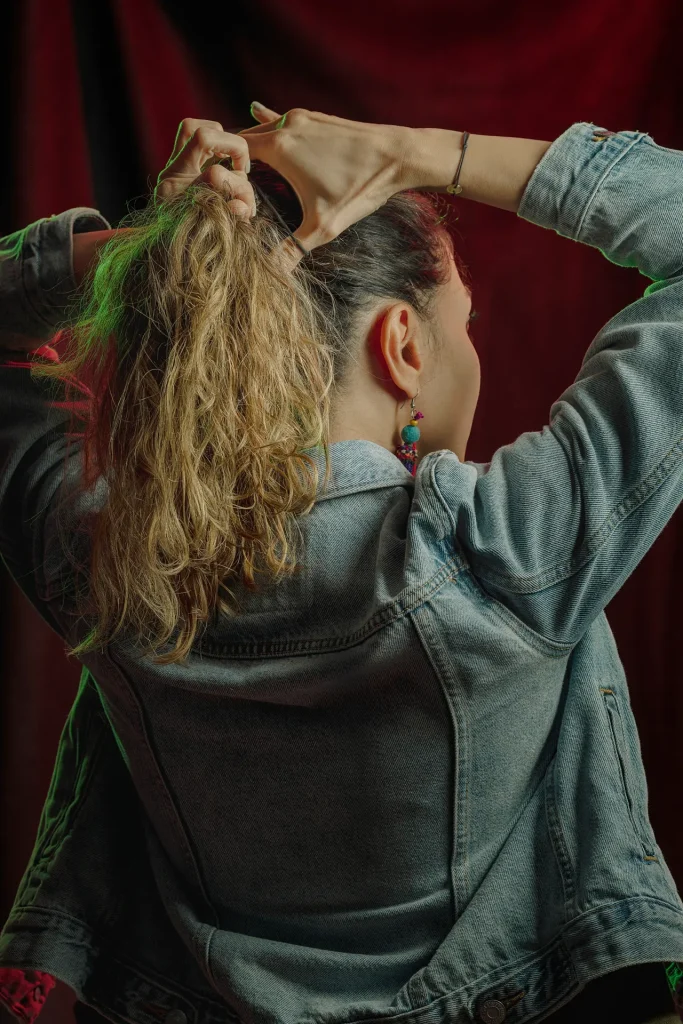
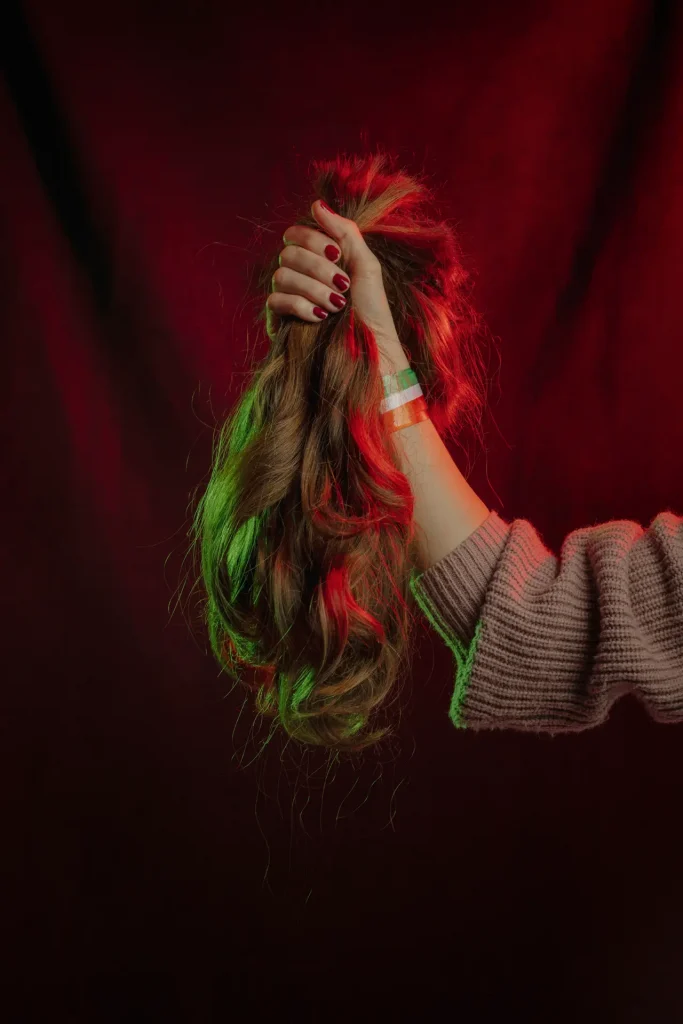
The protests began in support of women’s fundamental freedom of choice. In Iran, women have long been compelled to wear a headscarf in public. One of the most widely circulated images from the protests depicted a woman courageously tying her hair in front of security forces, boldly refusing to wear a head covering. These protests have signified a pivotal moment for women’s participation in social reforms in Iran, and the act of knotting one’s hair now holds a profound significance within the movement, symbolising the fight for freedom.
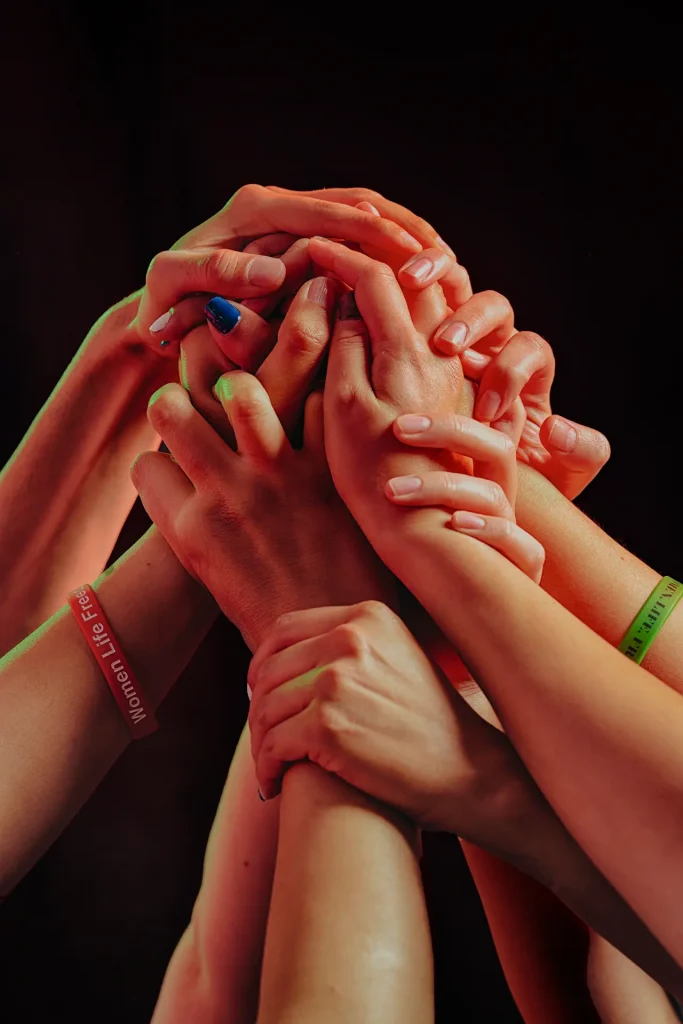
Our country Iran is one of the oldest nations that still exists. A diverse nation consisting of more than 18 ethnicities and spoken languages. During “Woman, Life, Freedom” protests, all people stood together regardless of their gender, ethnicity, religion or language. It was a national matter. The unity of people during the protests has been unprecedented. In this photo, we wanted to show unity. We were thinking about an idea where the crew started holding each other’s hands on the stage. A very touching and strong moment for me behind the camera visor before taking this shot.
It is a symbol of grief, anger, and unity. Mahsa Amini, an Iranian woman of Kurdish descent, tragically passed away, leading Kurdish women to adopt the ancestral tradition of cutting their hair as a form of mourning. The footage of this practice quickly spread, prompting thousands of Iranians worldwide to cut their own hair in solidarity with Mahsa’s family. The viral videos of Iranians cutting their hair gained attention from influencers beyond the Iranian community. Notably, French actress Juliette Binoche, along with numerous famous French actresses and singers, also cut their hair to show support for the Iranian people. This act inspired other renowned influencers, artists, and politicians around the world to follow suit.
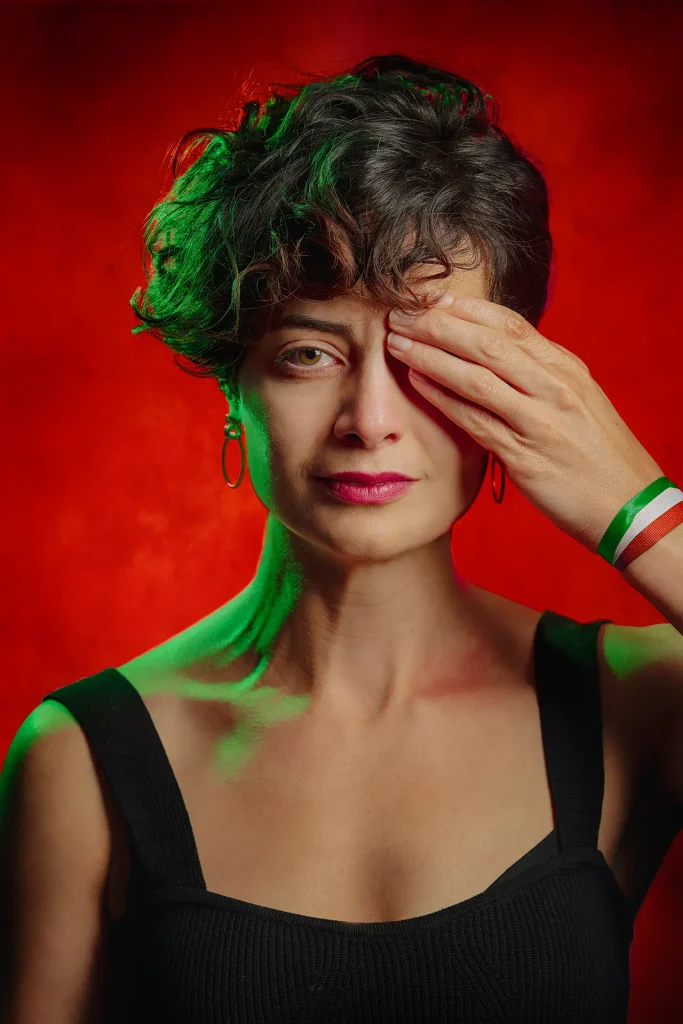
Meet Golsa; one of the founding members of the Iranian Solidarity Group in Wellington who helped with organising the protests in New Zealand and has consistently provided support to others. Golsa has heard about the story of Zoha Mousavi, a protester who lost her eye as a result of being struck by metal pallets. In this photograph, Golsa intended to demonstrate solidarity with Zoha and others who suffered the same fate by holding one of her eyes and smiling, mirroring Zoha’s expression. As she maintained a smile on her lips, tears welled up in her eyes, and it was at that moment I captured the photo.
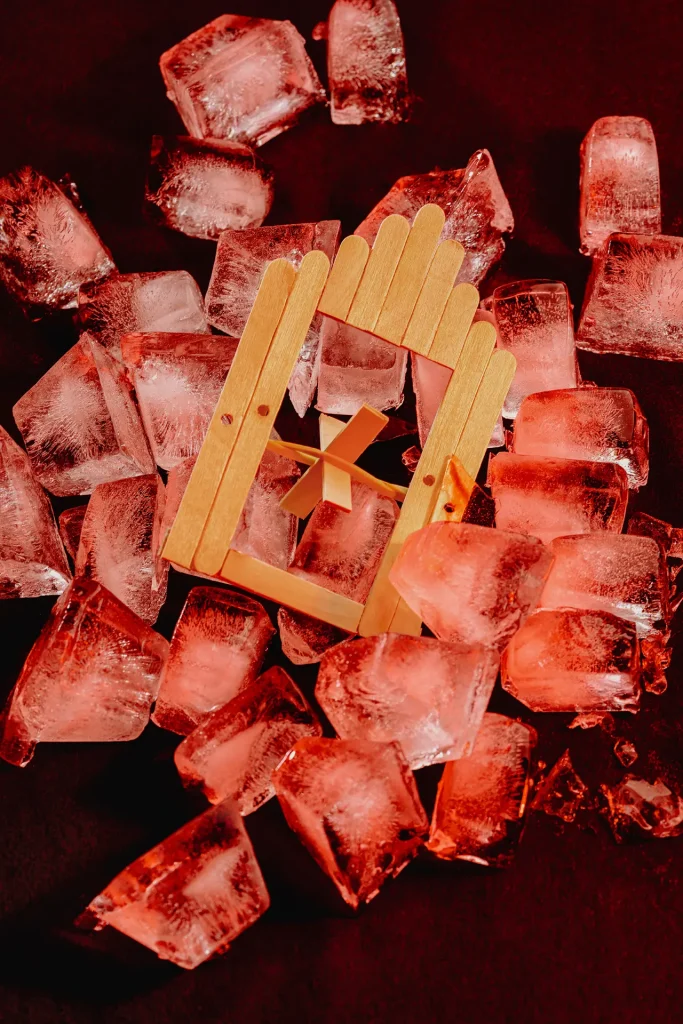
This is a photo of a wooden boat floating on a pile of ice. During these protests, several words developed new meanings for us, three of which are associated with pain and sorrow. These words are: “ice,” “rainbow,” and “boat.” Many Iranians have seen two videos of Kian Pirfalak, a nine-year-old from Izeh, Iran. The first video shows him proudly presenting the “boat” he created as a school project, similar to what you see in the photo. In that video, he begins with: “In the name of the God of the rainbow,” before testing his “boat.” In the second video, we have seen the lifeless body of Kian at home, covered in “ice,” while his grieving mother sits beside him. That is how “boat,” “rainbow,” and “ice” now have new meanings for us; they remind us of sweet Kian and many children who lost their lives during these protests. The family placed Pirfalak’s body on ice, refusing to keep it at the mortuary. This was due to the fear of security forces stealing the child’s body to cover up the crime.
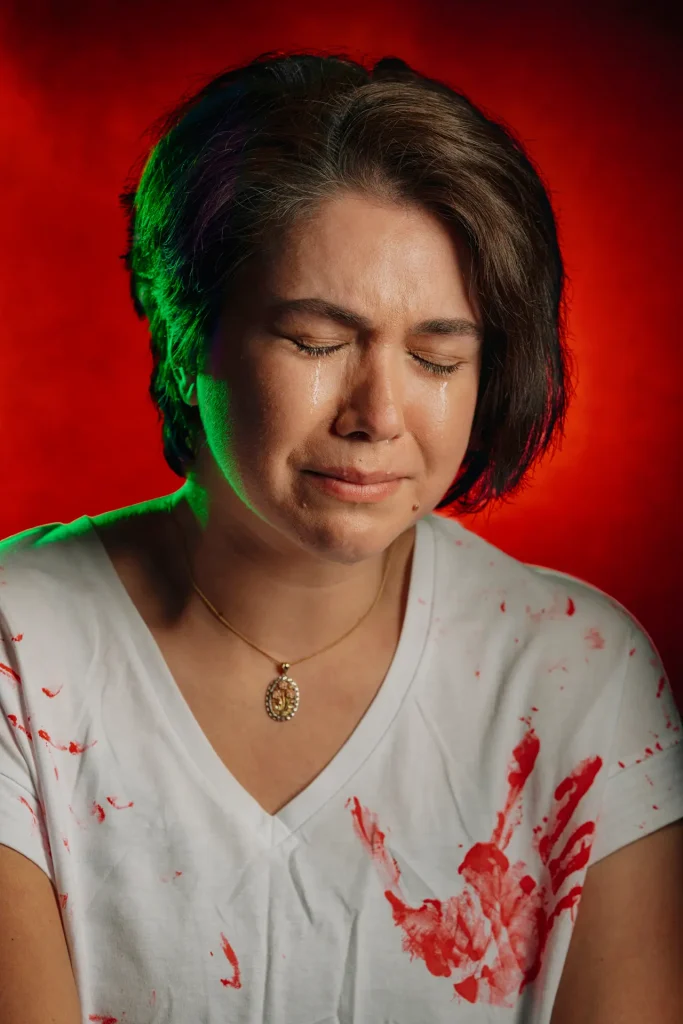
This is Hanna. She holds a PhD in Economics and works for the Ministry of Business, Innovation and Employment as a senior research and data analyst. She is also the mother of a two-year-old baby girl named Luna.
Hanna is one of the founding members of the Iranian Solidarity Group in Wellington. Since September 2022, she has participated in over 150 meetings to support the group in organising 18 protests and facilitating nine fundraising events. She has attended 30 press sessions to raise awareness and encourage politicians and the media to support the protests in Iran. Her goal is to be a voice for those who are voiceless. I have witnessed an indescribable strength in her voice and eyes when she delivers a speech.
In this photo, I asked her to give me one of those expressions of leadership. However, as soon as she sat on the chair, she collapsed. Suddenly, she started crying—a deafening, silent cry for all the innocent young lives we have lost.
I have been in Iran during the protests. The experience of protesting in Iran is extremely different from the experience in New Zealand. Although the right to peaceful protests is codified in law, all the requests for holding a peaceful protest after the death of Mahsa Amini have been rejected.
In Iran, when you want to protest for your rights, it always feels like stepping into a battle zone. You have to be prepared for anything, and your family has to cope with the fact that you may never come back from the protests, which are usually met with violence.
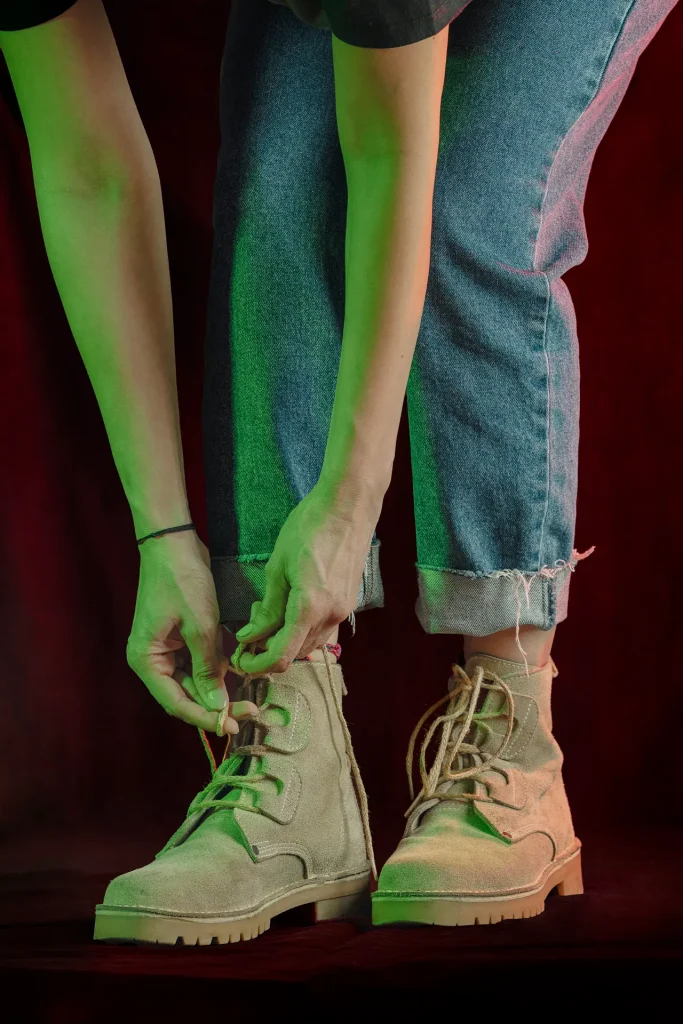
Hope, a four-letter word (“Omid” in Persian), is our greatest asset. Iranian literature is replete with stories of oppressive rulers who inflicted cruelty upon their people, seizing their lives and wealth for their own greed. One of the most renowned Iranian mythologies is the tale of Zahhak, a ruthless and tyrannical ruler. Zahhak possessed immense wealth, power, resources, and allies, but he was eventually brought down by courageous individuals who never lost hope. After all, tyranny is never enduring. This is a lesson that history has also taught us.
What I am most certain about is the fact that those who stand up for freedom are on the right side of history. When you’re on the right side, positive change is inevitable.